

Scroll through any electronics shop in Bangladesh and you’ll see headphones ranging from 450 taka to well over 50,000 and the box doesn’t always tell you which end of that range you’re actually getting. A 600-taka pair and a 4,000-taka pair can look almost identical in a product photo, but feel completely different after a week of daily use.
This guide breaks down the headphone price in BD across every realistic budget, what actually changes as you spend more, and which types suit different everyday situations — commuting, gaming, work calls, or just listening to music at home.
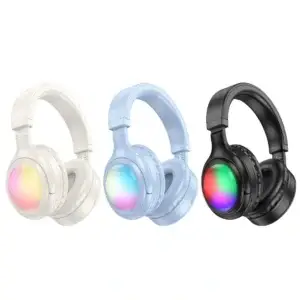
Headphone Price in BD: Quick Overview
| Budget Range | What You Get | Best For |
|---|---|---|
| Under 500 Taka | Basic wired, limited bass | Backup pair, occasional use |
| 500 – 1,500 Taka | Wired/Bluetooth, decent mic | Daily calls, study, casual listening |
| 1,500 – 3,500 Taka | Better build, longer battery (wireless) | Daily commuters, gamers |
| 3,500 – 8,000 Taka | Branded (Havit, Hoco premium lines, JBL entry) | Serious listeners, hybrid work |
| 8,000 Taka+ | Sony, Apple, Bose, noise cancellation | Audiophiles, frequent travelers |
Best Headphones Under 1500 Taka in Bangladesh
This is where most daily buyers in Bangladesh actually shop, and it’s also where the most confusing marketing happens — so here’s what genuinely matters at this price.
Havit has built a strong reputation in Bangladesh specifically for reliable budget headphones, particularly in the gaming and wired categories. Their entry-level models consistently deliver clear mic quality for calls and online classes, which matters more than most buyers realize until they’re stuck with a muffled mic mid-meeting.
Hoco headphones tend to focus on comfort and simple Bluetooth connectivity, making them a solid pick if you mainly want something for music and calls without gaming-specific features.
For anyone gaming on a tight budget, generic wired gaming headsets (commonly seen as Fantech or budget Havit models) under 1,200 taka genuinely deliver usable in-game audio and a working mic — you don’t need to spend more unless you’re playing competitively and need precise directional sound. If you’re setting up a complete budget gaming or mobile station, pairing one of these with a reliable power bank is a smart move for longer sessions away from a charger.
Best Headphones Between 1500-3500 Taka
This range is where Bluetooth quality stops feeling like a downgrade from wired. Battery life becomes genuinely reliable (think 15-20+ hours rather than a stressful 4-5), and you start getting features like multi-device pairing, which lets you switch between your phone and laptop without re-pairing every time.
JBL’s entry-level Bluetooth headphones land in this range and bring noticeably stronger bass response than most competitors at the same price — a real consideration if you mainly listen to music rather than podcasts or calls. These pair especially well with any modern smartphone that supports aptX or AAC audio codecs, giving you noticeably clearer streaming quality than basic Bluetooth pairing.
Headphone Types: Which One Actually Fits Your Life?
Over-ear headphones fully cover your ears and tend to isolate outside noise the best, making them the right call for noisy environments — crowded buses, busy households, or shared workspaces. The tradeoff is they’re bulkier to carry around daily.
On-ear headphones rest on rather than around your ears. They’re lighter and more portable than over-ear models, though they let in a bit more outside noise — a reasonable middle ground if you’re moving between environments throughout the day.
In-ear headphones (wired or wireless earbuds) are the most portable option by far, and genuinely the best fit if your main use case is commuting in Dhaka traffic or exercising. The tradeoff is comfort over very long sessions — some people find anything in-ear uncomfortable after a few hours straight. If you’re building a complete fitness or commuting kit, a smart watch alongside your earbuds rounds out hands-free notifications and activity tracking nicely.
Gaming headsets prioritize a built-in microphone and, on higher-end models, positional audio that helps you hear footsteps or distant sounds in competitive games. If gaming is your main use, don’t substitute a regular music headphone the mic quality difference is significant. If competitive gaming is a priority, the USB-IF’s audio over USB-C specifications are worth a glance before buying a USB-C gaming headset, since not all USB-C audio implementations support the same latency and quality standards.
What Actually Affects Headphone Price in BD
Brand reputation and R&D investment. Established names like Sony or JBL price in years of audio engineering — that’s not purely marketing, though it does mean diminishing returns past a certain point for casual listeners. To learn more about how we vet the brands we carry, check out our story.
Wired vs wireless. Bluetooth headphones cost more than equivalent wired models because of the added battery, Bluetooth chip, and charging components if budget is tight and you don’t need to move around much, wired remains the better value.
Noise cancellation type. There’s a real difference between ANC (Active Noise Cancellation, which uses microphones to cancel outside sound — genuinely effective but pricier) and ENC (Environmental Noise Cancellation, which mainly cleans up your mic output for calls, not what you hear) — many budget “noise cancelling” headphones in Bangladesh are actually ENC, not full ANC. Check which one a listing actually means before assuming it’ll block out bus or street noise.
Build materials. Memory foam ear cushions and metal-reinforced headbands cost more to produce but last considerably longer under daily use than basic plastic builds, which tend to crack or loosen at the hinges within a year of heavy use.
Common Mistakes to Avoid When Buying Headphones in BD
Judging sound quality from the product photo alone. Glossy marketing images rarely reflect real build quality — wherever possible, check video unboxings or in-store demos before trusting listing photos, especially for unfamiliar brand names.
Ignoring the warranty terms. Many budget headphones in Bangladesh come with vague or unclear warranty language. Buy from sellers who clearly state warranty length and what it covers (manufacturing defects vs. general wear), since cheap electronics with no real warranty backing often cost more in replacements over a year than a slightly pricier, properly-warrantied option. If you’re ever unsure about a product’s warranty before buying, feel free to contact our team directly for clarification.
Assuming higher mAh or “bass boost” labels always mean better quality. Marketing terms like “extra bass” or “HD sound” aren’t standardized they don’t guarantee anything technical. Focus instead on actual brand reputation and verified reviews rather than buzzwords on the box.
Buying gaming headsets for music, or vice versa. Gaming headsets are tuned to emphasize footsteps and directional cues, often at the cost of balanced music reproduction. If you mainly listen to music or podcasts, a dedicated music-focused headphone will sound noticeably better than a gaming headset at the same price.
Frequently Asked Questions
1. What is the average headphone price in BD?
Headphone prices in Bangladesh typically range from around ৳450 for basic wired models to ৳8,000+ for premium wireless or noise-cancelling options, with the most popular daily-use range sitting between ৳800 and ৳2,500.
2. Are Havit headphones good for daily use in Bangladesh?
Yes, Havit is widely considered a reliable budget brand in Bangladesh, particularly known for clear microphone quality and durable builds in both wired and wireless models, making it a solid pick for calls, online classes, and casual gaming.
3. What’s the difference between earbuds and headphones?
Earbuds are small in-ear devices, while headphones (over-ear or on-ear) use larger ear cups that sit on or around the ear; earbuds prioritize portability, while headphones generally offer better sound isolation and comfort for longer sessions.
4. Do cheap headphones under 1000 taka have good sound quality?
Many budget headphones under 1,000 taka offer genuinely acceptable sound for everyday music, calls, and casual gaming, though bass depth and overall clarity noticeably improve once you move into the 1,500-3,500 taka range.
5. Is ANC noise cancellation worth paying extra for in Bangladesh?
If you regularly commute on noisy buses, work in shared spaces, or travel often, true ANC headphones are genuinely worth the extra cost; for occasional home use, the difference is less noticeable and you can save money with a standard model.
Final Recommendation
For most everyday users in Bangladesh, a Havit or Hoco headphone in the 800-2,000 taka range delivers the best practical value reliable mic quality, decent comfort, and battery life that won’t leave you stressed by midday. If music quality matters more to you than price, stepping up to JBL’s entry-level Bluetooth range in the 2,500-3,500 taka band is genuinely worth the jump. And if you’re a frequent commuter or traveler who wants real peace and quiet, true ANC models above 8,000 taka are where that investment finally pays off.
Looking for the right pair for your needs? Browse our Headphone & Earphone collection for genuine, warrantied options across every budget, with cash on delivery available nationwide.